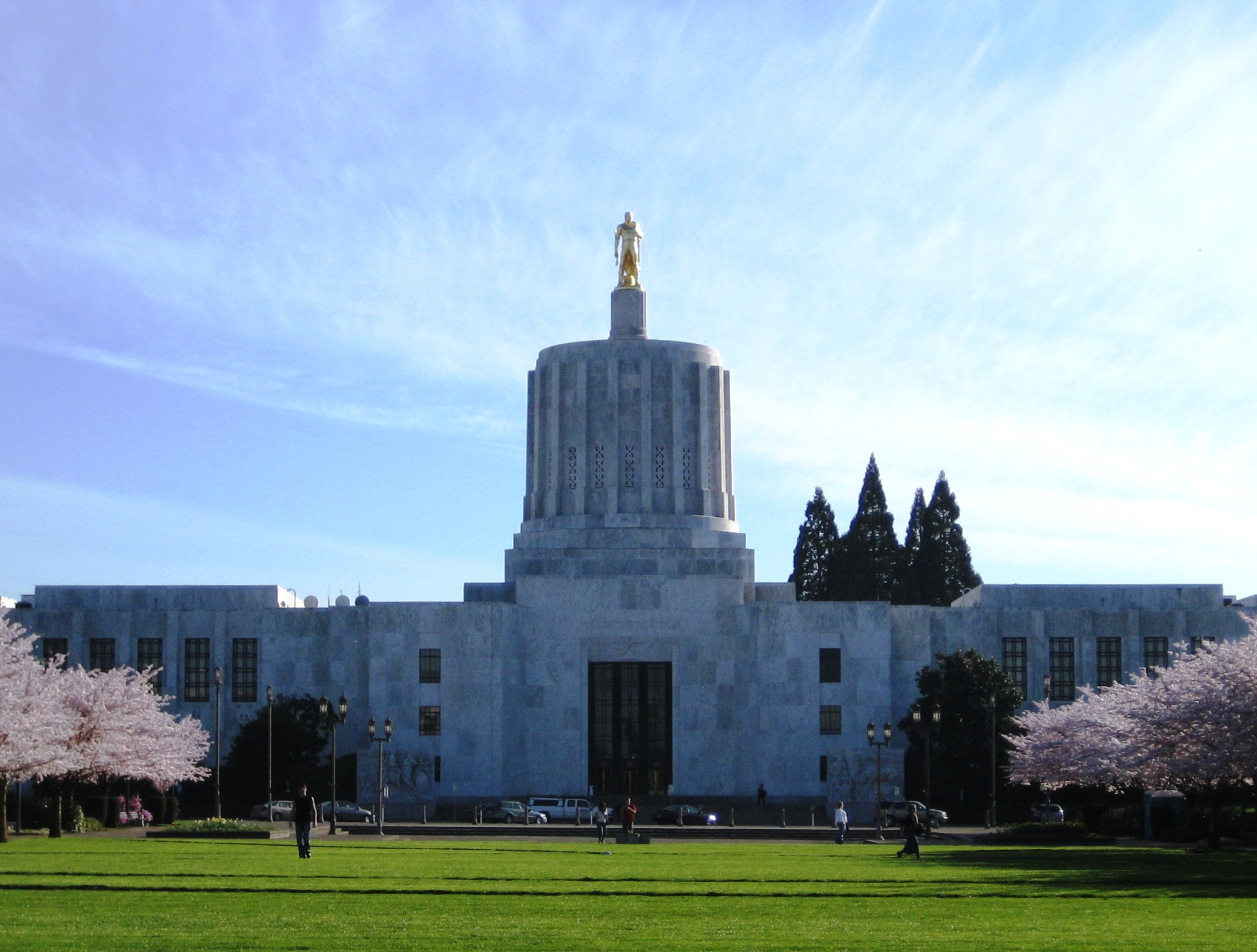
In the halls of the Oregon State Capitol, a peculiar brand of buyer’s remorse is setting in. For years, the legislative supermajority has leaned into a policy of “tax and regulate,” pushing the state’s business climate ranking to a dismal 39th in the nation according to recent CNBC reports. But as the 2026 session gets underway, the tone has shifted from “pay your share” to “please don’t leave.”
The Industrial “Freefall”
The urgency is fueled by sobering data. Oregon’s manufacturing sector once the crown jewel of the state’s economy has officially fallen behind national trends. While the rest of the country experienced a post-pandemic manufacturing upswing, Oregon’s job growth in the sector stayed flat or declined. Business leaders point to a “triple threat”:
- The Corporate Activity Tax (CAT): A gross receipts tax that hits revenue even when a company isn’t profitable.
- Sky-high Payroll Taxes: Recent hikes to fund transportation and paid leave have made hiring more expensive than in neighboring states.
- Land Use Red Tape: A shortage of “shovel-ready” industrial land has forced growing companies like Dutch Bros and Tektronix to look toward Arizona and North Carolina for expansion.
The “Trojan Horse” of Senate Bill 1586
In an attempt to stop the bleeding, Democrats have introduced Senate Bill 1586, also dubbed the “Oregon Jobs Act.” The bill is a massive olive branch to the tech sector, proposing to double the property tax credit cap for electronics and advanced manufacturing from $90 million to $180 million.
On the surface, it’s a win for economic development. However, the bill has become a lightning rod for two reasons:
- The Land Grab: Critics and local advocates in Hillsboro have labeled the bill a “land grab,” as it seeks to bypass traditional urban growth boundary processes to bring 1,700 acres of protected farmland into industrial use overnight.
- The Data Center Dilemma: While the credits are aimed at “advanced manufacturing,” the primary beneficiaries are often data centers. These massive server farms bring high tax revenue but few long-term jobs once construction ends.
Powering the Paradox
The most glaring irony lies in Oregon’s energy grid. Just last year, the Legislature passed the POWER Act, a bill designed to force “energy-intensive” users like data centers to pay a premium for their massive electricity consumption.
As State Senator Tim Knopp, the Senate Republican Leader so nicely put it:
“We are essentially telling tech companies: ‘We’ll give you $180 million in tax breaks to build here, but we’re going to charge you double for the electricity you need to actually run the building.'”
Data centers are currently under fire for straining an already fragile energy supply. With the state pushing for 100% clean energy, the massive “load” required by new data centers is threatening to drive up utility rates for regular households.
A Tale of Two Oregons
As Oregon Democrats attempt this legislative pivot, they face a skeptical public. On one hand, they are pushing a $15.5 billion transportation tax package that includes higher gas taxes and vehicle fees. On the other, they are handing out record-breaking tax credits to some of the wealthiest tech corporations on the planet.
The story of the 2026 session isn’t just about taxes; it’s about a state trying to find its identity. Is Oregon a progressive laboratory that prioritizes social services and climate mandates, or a West Coast industrial powerhouse? Right now, it’s trying to be both and the bill is coming due.