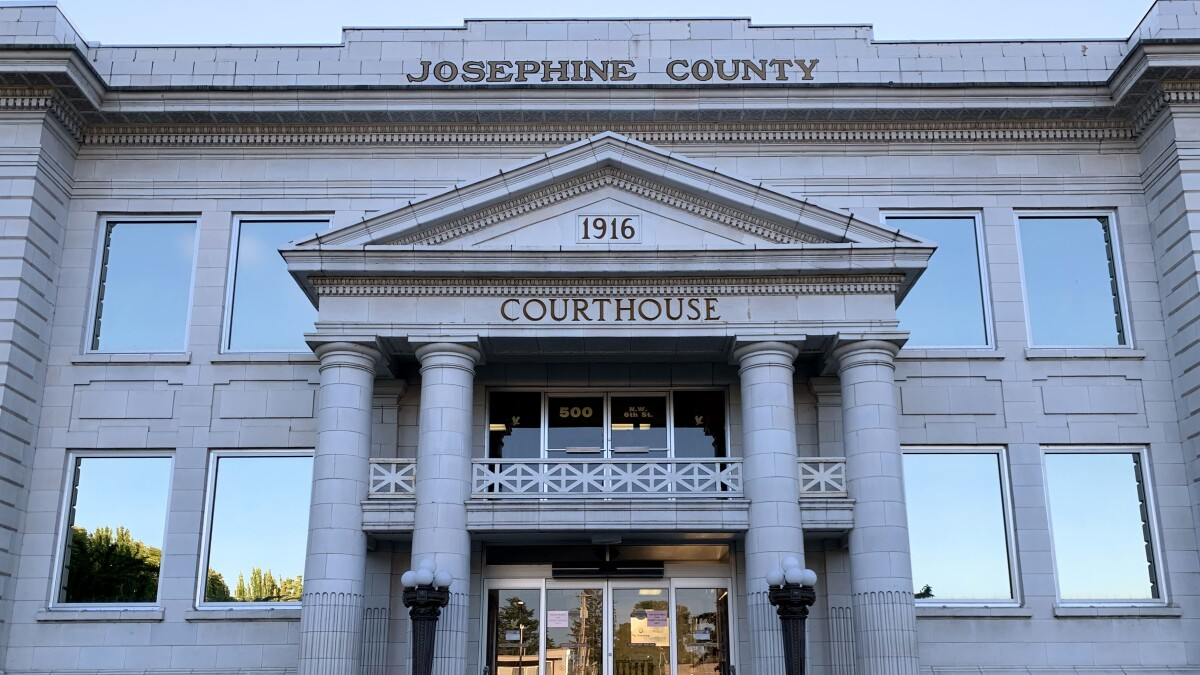
A recent article appeared in the Daily Courier that delved into the “catch and release” issues surrounding SB 48, written from Judge Bain’s perspective. This is a summary of the article, but I urge everyone to read the actual article in the Daily Courier.
Judge Robert S. Bain refutes recent local claims that Oregon’s SB 48 pre-trial release law creates a dangerous “catch and release” cycle, arguing that public perception clashes with court data.
Key Findings & Context
- How SB 48 Works: The law requires courts to release individuals charged with low-level, nonviolent misdemeanors and felonies. However, it mandates that individuals facing serious charges, sex crimes, domestic violence, or those with repeat offenses and court no-shows be held for a judge’s review preventing them from simply buying immediate release through cash bail as they could under the old system.
- The Root of Early Releases: High-risk releases are caused by county jail capacity limits, not SB 48. When the local facility reaches capacity, the sheriff’s office uses “forced releases” due to resource constraints to comply with federal law, overriding court hold orders.
- Prosecutorial Backlog: A major contributor to immediate releases is severe understaffing at the Josephine County District Attorney’s Office. Due to a lack of prosecutors, roughly 13% of all arrestees (over 460 annually) are released without any criminal charges being filed.
- Recidivism and Failure to Appear Data: Statistics from 2025 and 2026 show that defendants released by court officers follow restrictions far better than those force-released by the jail:
- Missed Court Dates: ~13% for court releases vs. ~25% for jail capacity releases.
- Re-offending Rates: ~8% for court releases vs. ~15% for jail capacity releases.
Conclusion
Ultimately, Judge Bain contends that blaming SB 48 for the region’s crime and release cycle misdirects focus away from the true systemic issues. Rather than a flawed judicial release law, the revolving-door dynamic in Josephine County is driven by severe jail overcrowding and critical understaffing in the District Attorney’s Office challenges that legislative reform alone cannot solve without local resource support.