Introduction
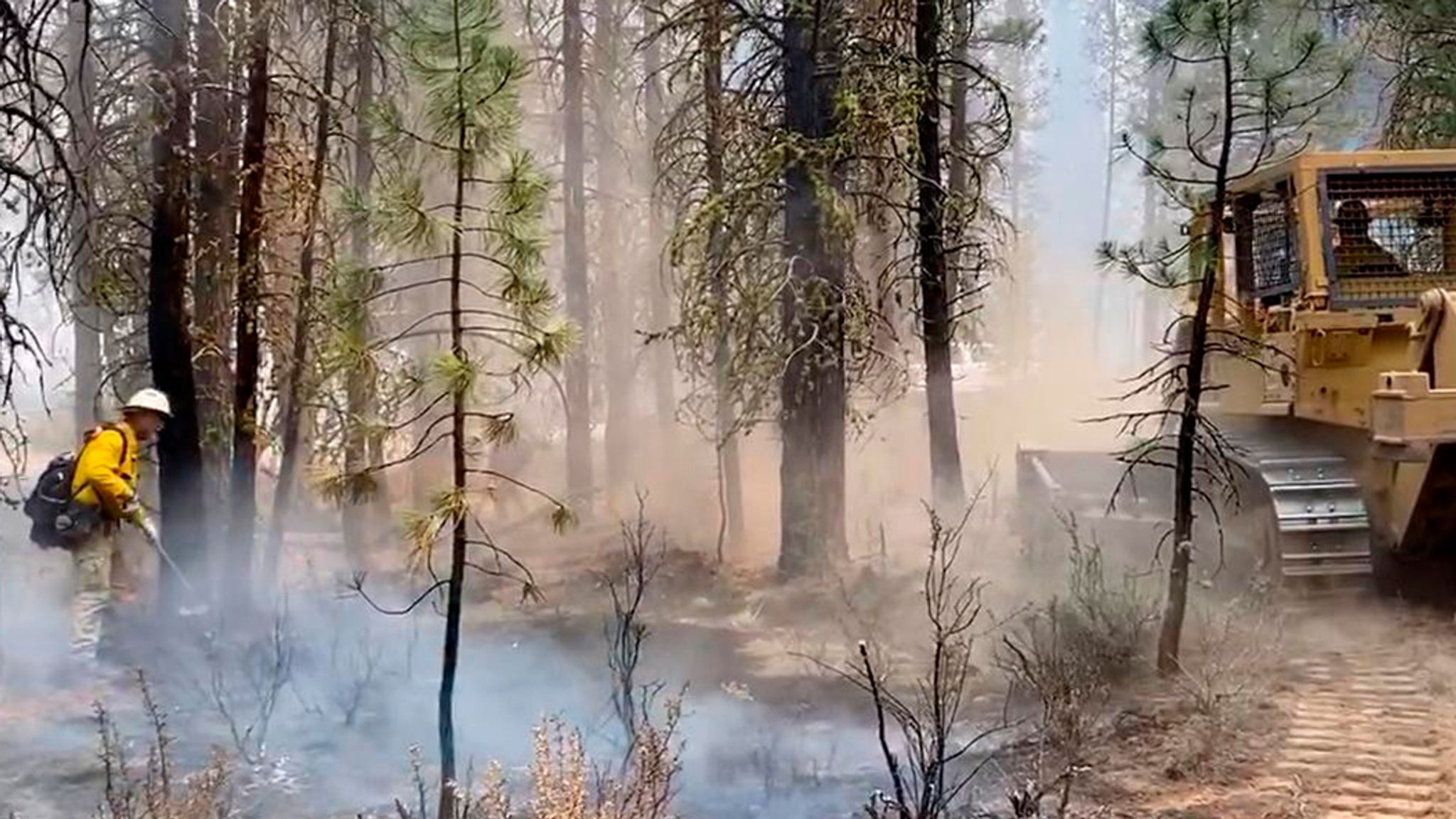
For decades, active logging maintained healthy, resilient forests while powering the economy of rural Oregon. In Josephine County, timber harvests funded county services, sustained local sawmills, and prevented overgrowth. Beginning in the 1990s, heavy environmental litigation and federal “no-touch” preservation policies largely halted commercial harvest and proactive thinning. Instead of protecting nature, these policies converted millions of acres into overcrowded tinderboxes. Today, Josephine County faces the dual fallout: catastrophic megafires that destroy wildlife and an economic collapse driven by the loss of its primary industry.
Core Facts: The Real Cost of Inaction
- Overcrowded Stands & Dead Timber Fuel Megafires: Decades without active logging have left forests packed with up to ten times their natural tree density, triggering widespread disease and beetle kills. This dense brush, small growth, and standing dead wood act as “ladder fuels” lifting ground fires into the canopy and generating extreme heat that sterilizes soil, pollutes watersheds, and incinerates wildlife rather than preserving it.
- Decimation of Josephine County’s Economy: Federal land covers nearly 70% of Josephine County. Cutting timber harvests wiped out local sawmills, logging crews, and secondary businesses, crippling Grants Pass and sharply reducing revenue historically guaranteed for roads, schools, and public safety under the O&C Act.
- Litigation Gridlock & Prevention Delays: Common-sense thinning and post-fire salvage logging are routinely tied up in court for years by environmental groups. Bureaucratic red tape delays vital hazard removal until the forest inevitably burns again.
- Soaring Taxpayer Costs: Instead of generating local tax revenue through sustainable timber sales, taxpayers now spend billions reactively on wildfire suppression, emergency evacuations, and rebuilding destroyed infrastructure.
A Practical Path Forward
- Resume Proactive Thinning & Selective Logging: Returning to routine commercial thinning and dead-wood removal directly reduces fuel loads, lowering fire intensity so burns stay manageable on the ground.
- End the Government Double Standard: If state and local laws require private homeowners to clear defensible space, limb up trees, and remove brush on their own property, state and federal land managers should be held to the very same standard on public lands.
- Restore Proven Forestry Practices: These methods were standard, effective practices for decades. Bringing them back replaces ideological gridlock with practical, science-based land stewardship.
- Rebuild Wildlife Habitats and Local Economies: Active management balances the ecosystem by preventing soil-sterilizing megafires, protecting native wildlife stability, and restoring family-wage timber jobs to Josephine County.
Summary
Oregon’s wildfire crisis is the direct result of replacing active stewardship with hands-off preservation. In Josephine County, shutting down the timber industry did not save the forests—it left them dense, diseased, and dangerously volatile. High-intensity megafires destroy the very wildlife and habitats preservationists sought to protect, all while draining local economies. Moving forward with a practical, common-sense strategy, selective logging, commercial thinning, and prompt dead-wood removal is the only way to protect Oregon’s wildlife, reduce wildfire severity, and rebuild rural communities.